Maple Lane Classroom

Simple, joyful resources for busy elementary teachers

Author: Ms. Lindell

  • My Go-To Low-Prep Sub Plan Trick

    My Go-To Low-Prep Sub Plan Trick

    We’ve all been there: you wake up feeling awful, and the first thought is not “I need rest,” it’s “I need sub plans.” For years I’d type plans while running a fever. Then a teammate showed me her sub tub, and I’ve never looked back.

    A sub tub is a bin with everything a substitute needs for a full day, packed ahead of time. When I’m out, I send one quick message saying “Use the sub tub,” and that’s it.

    What’s inside mine:

    • A welcome letter. A friendly note with our daily schedule, bell times, and where to find things.
    • A class list with helpful notes. Who can be a great helper, who needs a movement break, and any important needs.
    • Routines at a glance. How we line up, get attention, and handle bathroom breaks. Kids behave better when the routines stay the same.
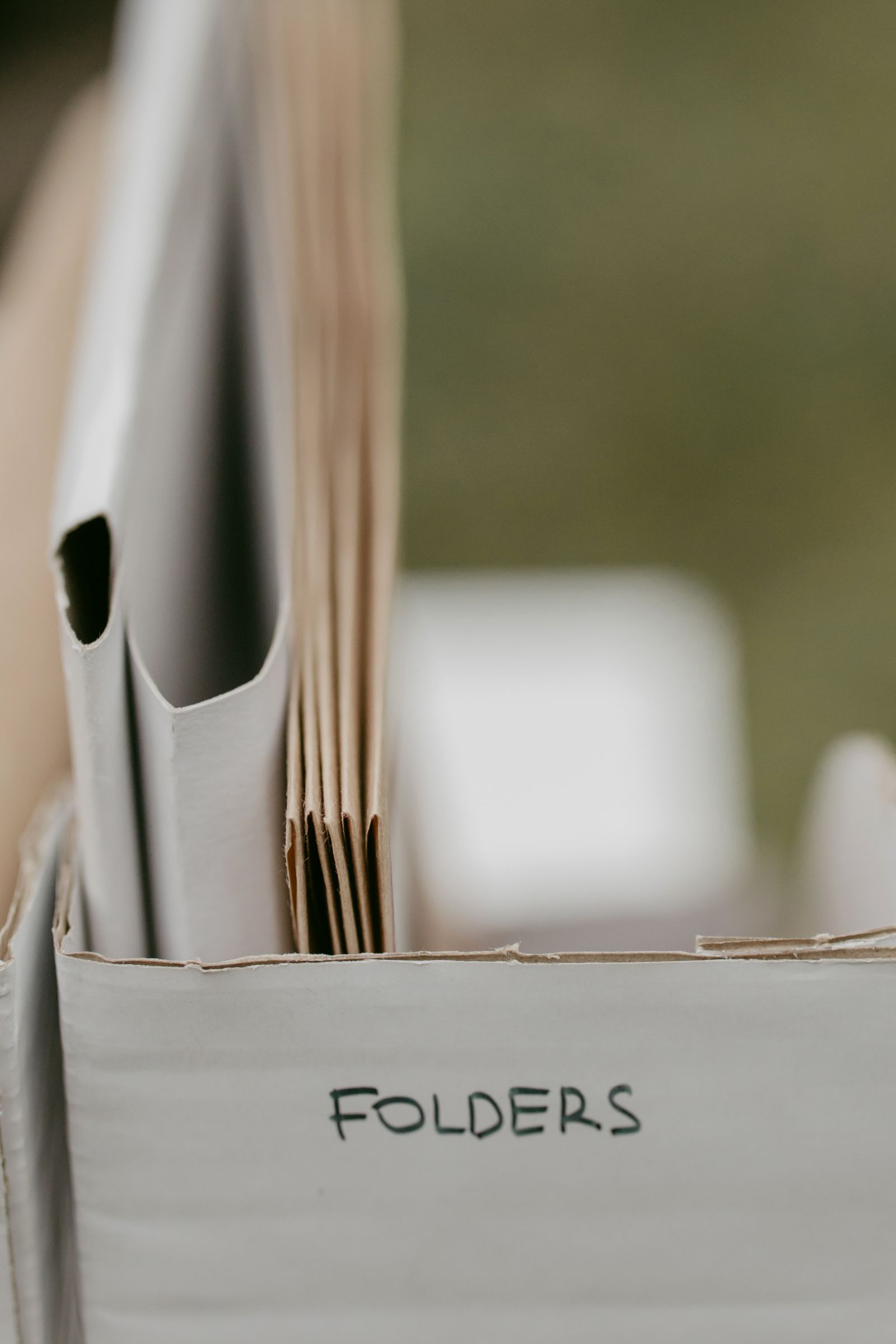
    • One day of plans per subject. Each in its own labeled folder with copies already made.
    • Emergency info. Drill procedures and the office number.
    • A “fast finisher” folder. Coloring pages, word searches, and puzzles for extra time.

    The secret is choosing timeless activities. I don’t tie sub plans to the current unit, because they’d be out of date in a week. Instead I use review activities that work any time of year: reading response pages that fit any picture book, math review practice, a simple writing prompt, and a no-fuss art or science activity.

    Refresh it a few times a year. I check my tub every couple of months. I update the class list, swap in fresh copies, and add a seasonal touch if I have time.

    Leave room for feedback. I include a short note sheet asking the sub how the day went. Those notes help me follow up with kids and improve the tub for next time.

    The first time I used my sub tub, I came back to a happy note, a tidy room, and kids who’d had a normal day. Best of all, I actually rested.

    If you’d like to build your own, my editable sub tub kit is in the Shop. It includes the welcome letter, routine pages, and a full day of review activities you can print and pack.
  • Pumpkin Math: Our Favorite Hands-On Halloween Activity

    Pumpkin Math: Our Favorite Hands-On Halloween Activity

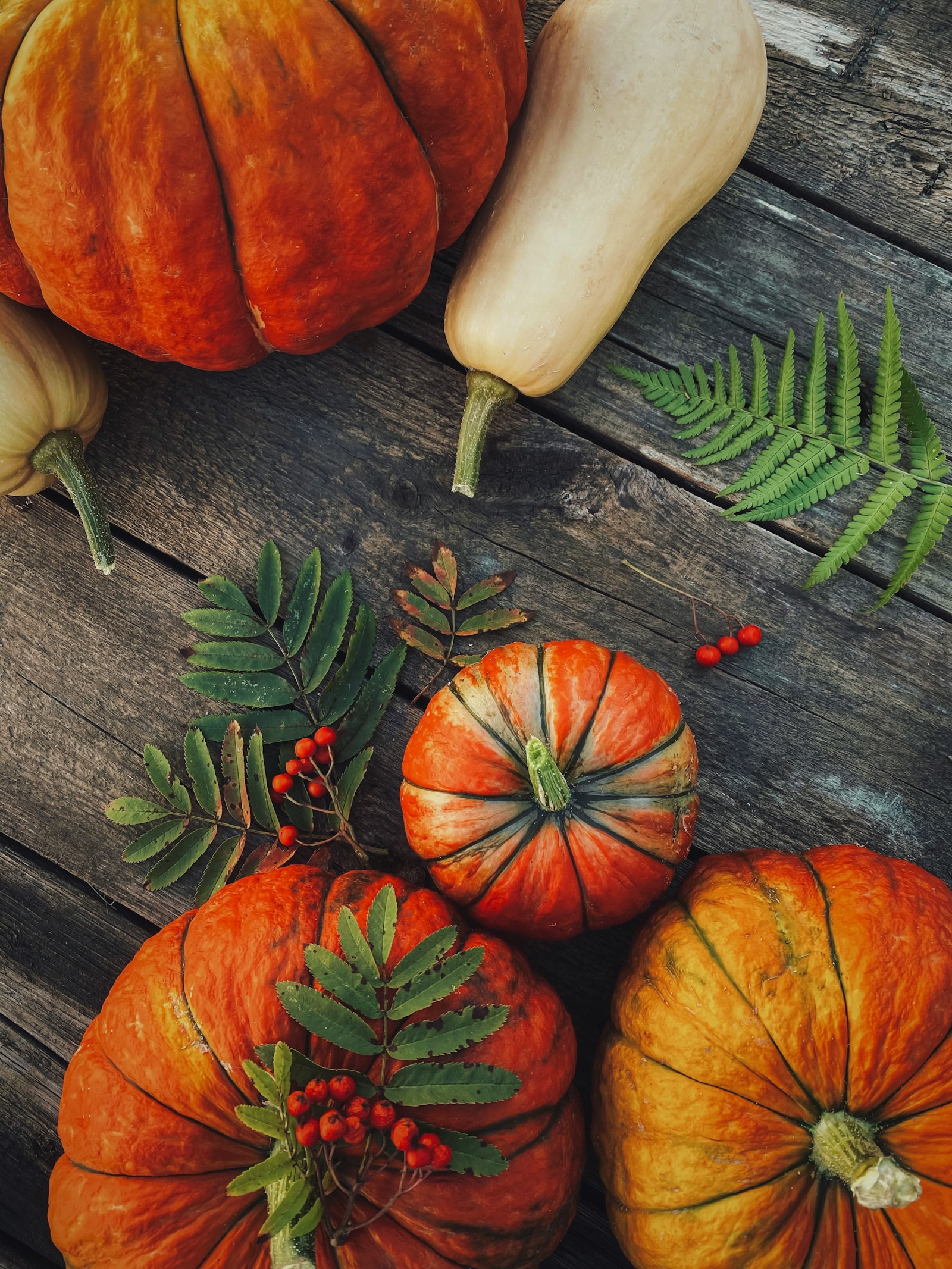
    Every October my class asks the same question: “Are we doing pumpkin math this year?” The answer is always yes. It’s one of those activities kids remember long after the school year ends, and it covers a lot of math in one happy afternoon.

    Getting set up. I ask families to send in small pumpkins if they can, and I pick up a few extras so every group has one. Each group of four gets a pumpkin, a recording sheet, a measuring tape, string, and a tray.

    Station 1: Estimate and measure. Kids guess how big around their pumpkin is, then use string to measure and compare it to a measuring tape. The gasps when a guess is way off are the best part.

    Station 2: Heavy or light? Using a balance scale, groups compare their pumpkin to classroom objects. “It’s heavier than three glue bottles!” is real measurement thinking.

    Station 3: Sink or float? We make predictions and test them in a tub of water. Spoiler: pumpkins float, and kids are always shocked.

    Station 4: Count the seeds. This is the messy one. I scoop the pumpkins ahead of time and save the seeds in bags. Kids group seeds into tens on a ten-frame mat, then count by tens and ones. It’s place value they can touch.

    Wrapping up. We gather to compare results. Which pumpkin had the most seeds? Did the biggest pumpkin have the most? (Often not!) This leads to great talk about predictions and evidence.

    A few tips from experience:

    • Cover tables with paper before you start. Trust me.
    • Assign group jobs: recorder, measurer, materials manager, and reporter.
    • Keep wipes handy. Pumpkin goo gets everywhere.
    • Have a no-pumpkin plan. Paper pumpkins with bags of seeds still work beautifully.

    Pumpkin math reminds me why I love teaching young kids. They’re curious, they want to touch everything, and they learn best when they do.

    My pumpkin math recording sheets and ten-frame mats are in the Shop if you’d like to try this with your class. Happy measuring!

  • The Read-Aloud Strategy That Got My Quiet Kids Talking

    The Read-Aloud Strategy That Got My Quiet Kids Talking

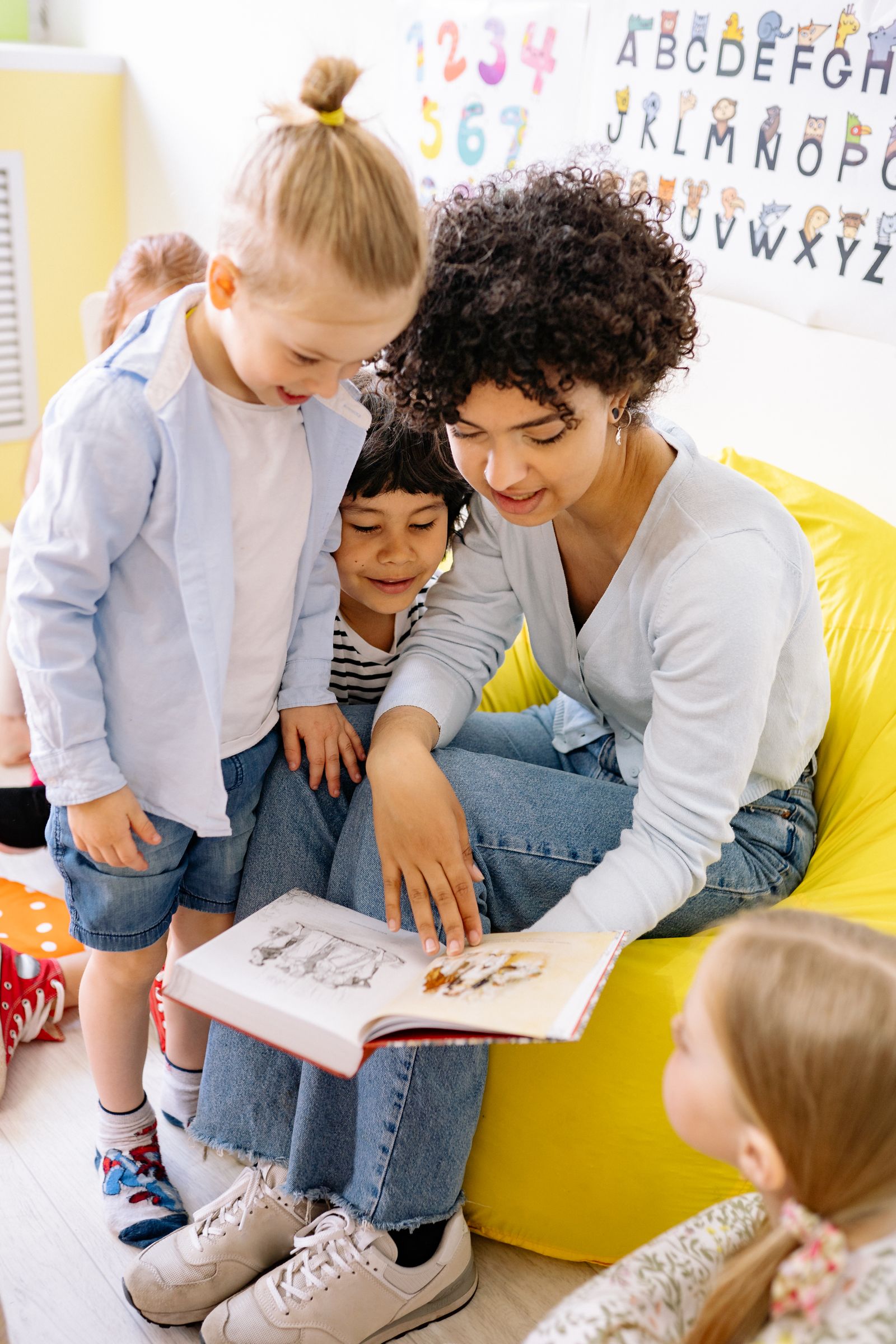
    Read-aloud is my favorite part of the day. But for a while I noticed that the same four kids answered every question while the rest of the class just listened. I wanted everyone talking about books, so I tried something new: Stop, Think, Turn.

    Here’s how it works.

    Before reading, I choose three stopping points in the book. I mark each one with a sticky note so I don’t forget. Good stopping points come right before a big decision, after a character’s feelings change, or when something surprising happens.

    At each stop, I ask one open question, such as “What do you think she’ll do next?” or “How do you think he feels right now?” Then I say, “Think.” Everyone gets ten quiet seconds. No hands up. This wait time is the secret. My quieter kids finally have a moment to form an idea before the fast talkers jump in.

    Then we turn. Kids turn to a rug partner and share. I listen in and pick two or three pairs to share with the whole group. Sometimes I choose a pair because I heard a great idea from a child who rarely speaks up. Watching them light up when I say “Can you share what you told your partner?” never gets old.

    After reading, we do a quick “one word” reflection. Each child says one word about the story. It’s fast, everyone participates, and the words often surprise me.

    A few things that help:

    • Give sentence starters. “I think ___ because ___” on a small poster helps kids who need a boost.
    • Keep partners steady. I switch rug partners every few weeks so kids feel safe.
    • Model it. I think aloud with a puppet partner the first week. Silly, yes. Effective, also yes.

    Within a month, I had kids reminding me to stop and turn. Our conversations got deeper, and my students started noticing story details on their own.

    If you want to try this, I made a set of read-aloud question cards and partner-talk posters. You’ll find them in the Shop, ready to print and use with any picture book.

  • My Fall Math Centers Routine (That Actually Runs Itself)

    My Fall Math Centers Routine (That Actually Runs Itself)

    Every fall I promise myself that this year math centers will run smoothly. And for a long time, they didn’t! Kids wandered, materials went missing, and I spent more time redirecting than teaching. A few years ago I finally landed on a routine that works, and I want to share it with you.

    Start small. In the first weeks, I run only two centers. Kids practice moving, cleaning up, and starting work on their own. It feels slow, but it pays off all year. Once they’ve got it, I add one center at a time until we’re at five.

    Keep it predictable. My five centers stay the same every week: Teacher Table, Fact Practice, Math Game, Hands-On, and Math Journal. The activities inside each bin change, but the jobs don’t. Kids know exactly what to expect, so they spend their energy on math instead of figuring out directions.

    Use a visual rotation chart. I put each group’s name on a clothespin and move the pins on a pocket chart. When the timer chimes, kids check the chart, clean up, and move. I don’t say a word. (Okay, sometimes I say one word.)

    Add a seasonal twist. This is where fall gets fun. I swap in leaf counters, apple-themed number cards, and scarecrow fact games. The skills don’t change, but the theme makes it feel new, and my kids get so excited when the bins switch over.

    Build in a “must do” and a “may do.” Every bin has one required task and an early-finisher option. That small change cut my “I’m done, now what?” questions way down.

    Reflect together. On Fridays we take three minutes to talk about what went well and what was tricky. Kids come up with great fixes, and they own the routine more when they help shape it.

    My biggest tip? Protect your Teacher Table time. That small group is where the real growth happens, and the whole routine exists to make it possible.

    If you’d like a head start, my fall math centers bundle is in the Shop. It has ready-to-print games and recording sheets for each center, so you can spend your evening on something besides the laminator.